
Reviews
User Score
Rate This
Descriptions:
Tribus: Every Time They Tried to Quit

Some bands get one shot.
Tribus kept getting called back.
Formed around 2000 by a group of friends from Gallup, New Mexico, the band came together during the
height of the nu-metal explosion. Like countless young musicians at the time, they were inspired by the
heavy sounds coming from bands like Sepultura, Pantera, White Zombie, Coal Chamber, and Korn. But from
the beginning, Tribus wasn’t interested in simply copying what was already out there.
They wanted groove.
Heavy groove.
The kind that grabs you by the chest and doesn’t let go.
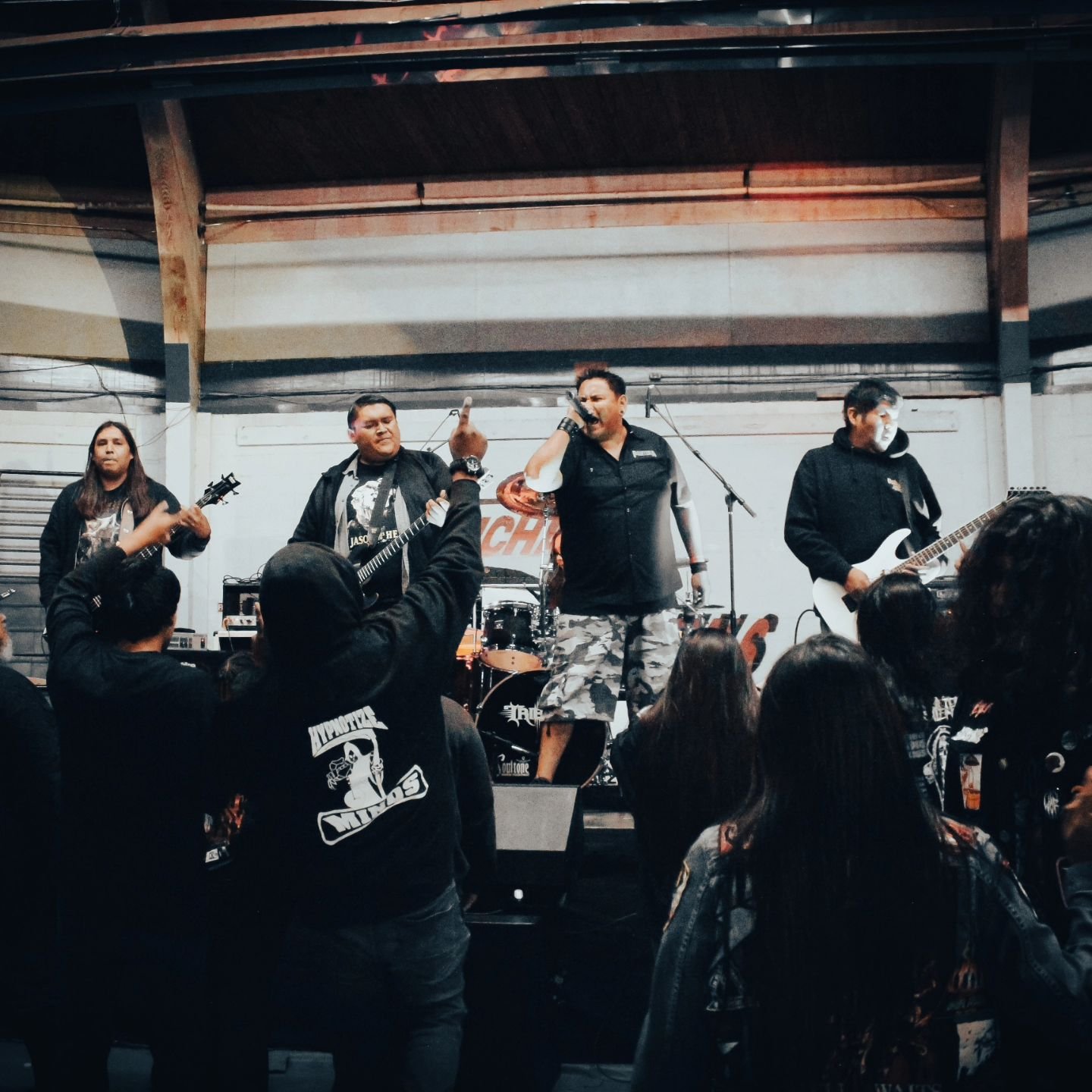
As the band developed, they built their sound around thick rhythms, pounding drums, and aggressive
vocals, eventually referring to it as “Tribal Groove”—a style that reflected both their influences and their
own identity as musicians.
And it worked.
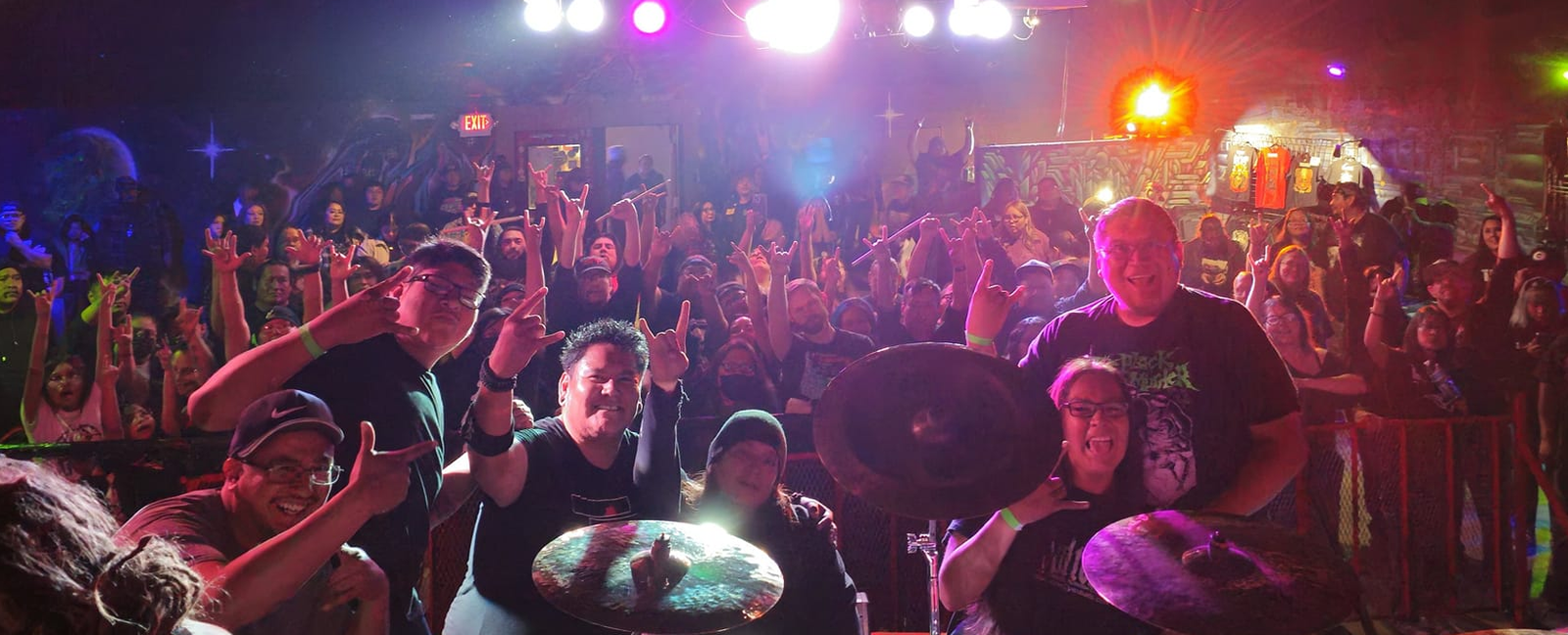
By the early 2000s, Tribus was becoming a regular name throughout the Four Corners region. Shows in
Gallup led to Farmington. Farmington led to Albuquerque. Soon they were traveling throughout Arizona
and New Mexico, sharing stages with national acts and building a loyal following one show at a time.
The future looked promising.
Then life happened.
Jobs.
Families.
Responsibilities.
Like so many underground bands, Tribus eventually found itself caught between the demands of adulthood
and the desire to keep playing music.
The band stepped away.
Years passed.
1Then somebody picked up the phone.
“We should play again.”
So they did.
The funny thing about Tribus is that this story happens more than once.
The band reunited.
Played shows.
Built momentum.
Stepped away again.
Came back again.
Every time it seemed like Tribus had reached the end of the road, something kept pulling them back toward
the music.
Sometimes it was friendship.
Sometimes it was unfinished business.
Sometimes it was simply the realization that life felt a little incomplete without rehearsals, amps, and loud
guitars.
One of the biggest turning points came after a performance at Four Corners Metal Fest. What was originally
intended to be a one-off appearance quickly turned into something much bigger. The crowd response
caught the band off guard. Fans remembered the songs. Promoters started calling. New opportunities
appeared almost immediately.
What was supposed to be the final chapter suddenly became a brand-new beginning.
Again.
Today, Tribus finds itself in a position few bands ever reach.
They’re older.
Wiser.
More focused.
2And perhaps most importantly, they’re still here.
The reckless pressure of trying to “make it” has been replaced by something far more valuable—a genuine
appreciation for the music, the friendships, and the opportunities they’ve been given over the years.
That maturity can be heard in the band’s current direction.
The groove is still there.
The aggression is still there.
The energy is still there.
But now there’s something else.
Perspective.
After more than two decades of lineup changes, road miles, setbacks, near misses, reunions, and second
chances, Tribus is finally preparing to release its first professionally recorded collection of songs.
For many bands, that would simply be another release.
For Tribus, it’s proof of something bigger.
Proof that persistence matters.
Proof that sometimes the long road is the right road.
And proof that no matter how many times they tried to walk away, the music always found a way to bring
them back.
Some bands break up and disappear.
Tribus just keeps coming back.