
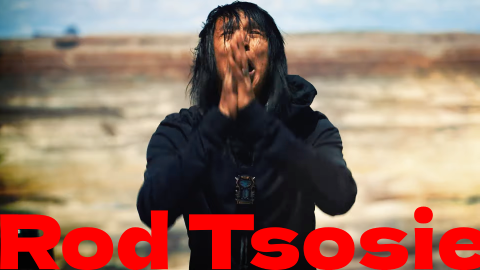
Clay and Fire: No Filler

The Rod Tsosie Interview
For vocalist Rod Tsosie, the goal isn’t to write more songs. It’s to make every song matter.
The first thing Rod Tsosie tells me is that Clay and Fire wasn’t supposed to become what it is now.
When he first joined the band around 2014, it was mostly an online project. A place to vent, experiment, and blow off steam. The songs came quickly, but looking back, Tsosie doesn’t have much interest in revisiting that period.
“I was in a bad state of mind,” he admits.
At the time, alcohol was driving a lot of the decisions in his life. The confidence was there. The ego was there. The music was there.
The direction wasn’t.
“I thought I was the best vocalist,” Tsosie says. “But in reality, it was just alcohol.”
After stepping away for a period and spending time in Utah, Tsosie eventually returned to Clay and Fire with a completely different mindset. Instead of writing songs built around anger, negativity, or shock value, he wanted to create something with substance. Something that would still mean something years later.
That shift in perspective helped shape what would become Gravedancer, one of the band’s strongest songs to date.
The track deals with personal accountability, growth, and the difficult process of confronting your own mistakes. While the subject matter comes from real experiences, the focus isn’t punishment. It’s what happens afterward.
The challenge of becoming a better version of yourself.
For Tsosie, that journey included sobriety, rebuilding relationships, and reconnecting with parts of himself that had been neglected for years.
But if you think Clay and Fire is built entirely around that story, you’d be missing the bigger picture.
Because what really stands out when Tsosie talks about the band isn’t the lyrics.
It’s the songwriting.
“We don’t have filler songs.”
That philosophy seems to drive everything Clay and Fire does.
Every member brings a different musical background to the table. One guitarist leans heavily toward bands like Lamb of God and As Blood Runs Black. Another carries influences from Trivium. Tsosie himself points to The Devil Wears Prada as one of his longtime influences. Instead of forcing those ideas into a single style, the band allows them to collide naturally.
The result is a catalog that constantly shifts.
Metalcore.
Deathcore.
Thrash influences.
Even acoustic arrangements.
Nothing seems off limits.
One of the best examples is Aspire. Originally written as a heavy song, the band later revisited the material and transformed part of it into an acoustic version. Rather than replacing the original, both versions exist side by side.
It’s the kind of decision many bands would avoid.
Clay and Fire embraced it.
That willingness to experiment is also why the group doesn’t rush songs out the door. Ideas are allowed to sit. Songs evolve. Arrangements change. Parts are revisited months later with fresh ears.
Listening to Tsosie describe the process feels less like assembling music and more like cooking.
The songs aren’t finished when they’re recorded.
They’re finished when they’ve had time to become what they’re supposed to be.
At the moment, the band is sitting on a twelve-song album, roughly half of which has already been released as singles. Rather than dropping everything at once, Clay and Fire has chosen to let listeners absorb the material one piece at a time.
It’s a strategy that seems to be working.
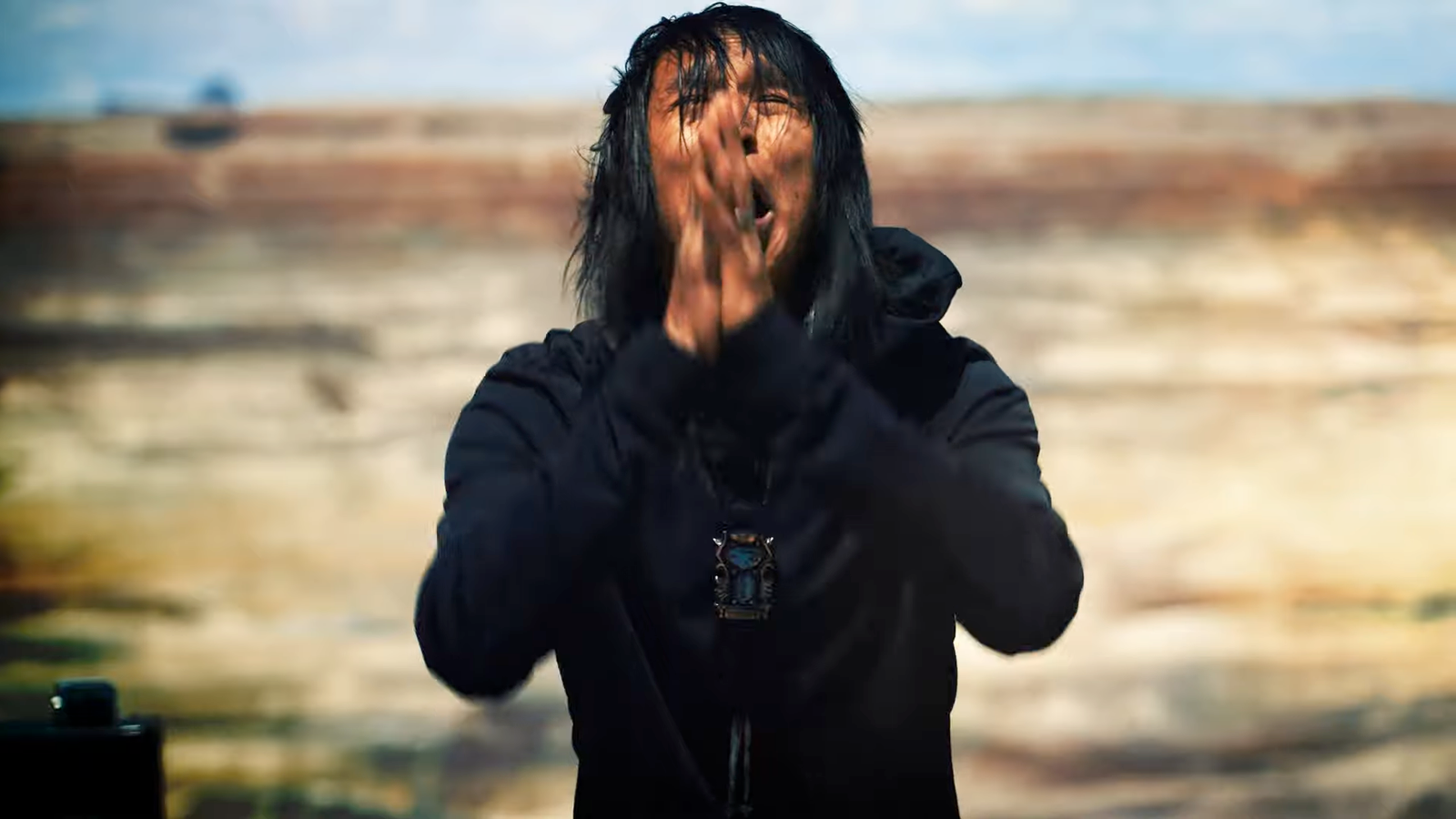
The band’s recent music video for Gravedancer quickly gained attention online, earning thousands of views and introducing new listeners to a group that has spent years refining its sound behind the scenes. Produced alongside Shanklin Shadow Productions, the video combines striking desert imagery with a visual representation of the song’s themes while keeping the focus where it belongs—on the music.
What’s perhaps most impressive is that Clay and Fire still doesn’t have a permanent drummer.
The drums heard on the recordings are programmed.
Most listeners never notice.
That’s a testament to the attention to detail the band pours into every release.
For Tsosie, success isn’t measured by view counts or social media numbers.
It’s measured by growth.
As a musician.
As a father.
As a person.
And most importantly, as a songwriter.
Because at the end of the day, Clay and Fire isn’t trying to release more music than everybody else.
They’re trying to release better music.
And in a world full of filler, that’s becoming increasingly rare.